Your Body Is Already Talking
Before you say a word, the room has made a decision.
Not about what you know.
About whether you belong.
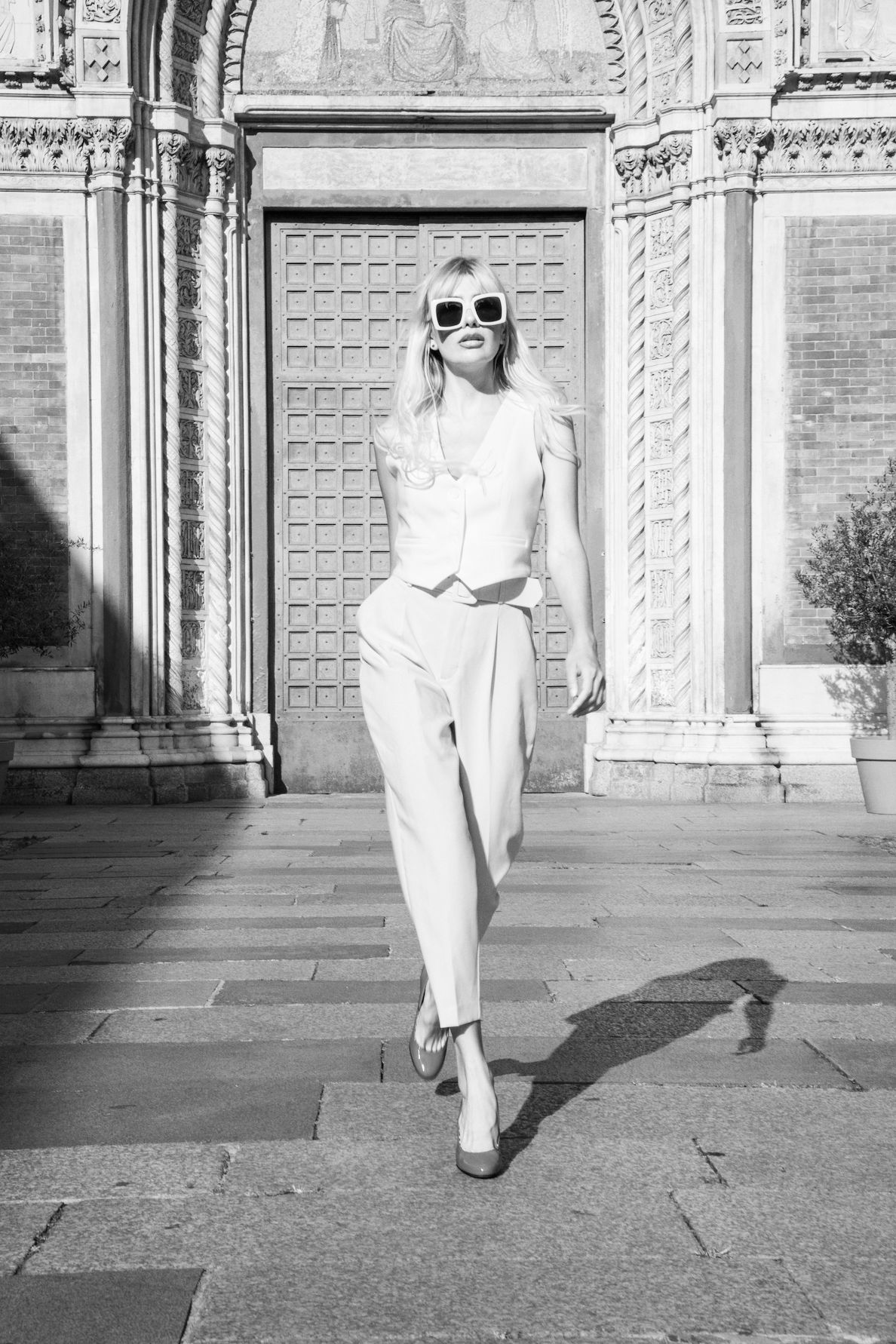
There is a moment that happens in every negotiation, every meeting, every room where something is at stake. You walk in. And in the space between the door and your seat, before anyone has spoken, something has already been communicated. Not by you. By your body.
How you carry yourself is not a detail. It is the opening statement of every conversation you will ever have.
I never negotiate without high heels
This is not a fashion statement. It is a negotiation strategy.
When I wear heels, my posture changes. My shoulders go back. My gait slows. I take up more space. I am harder to ignore. And there is something else, harder to quantify but just as real: they remind me, before I have said a single word, that I am not here to be small.
Not because heels make me better. Not because they impress anyone. Because they make it physiologically difficult to shrink. They are a tool I have chosen, consciously, because of what they do to how I carry myself in rooms where the stakes are high.
I first understood this properly in conflict zones, negotiating with military commanders and armed groups across the Middle East and Africa. The physical dimension of how you enter a room matters in those contexts in ways that are immediate and visible. It stayed with me long after I left that work.
The sentences that give us away
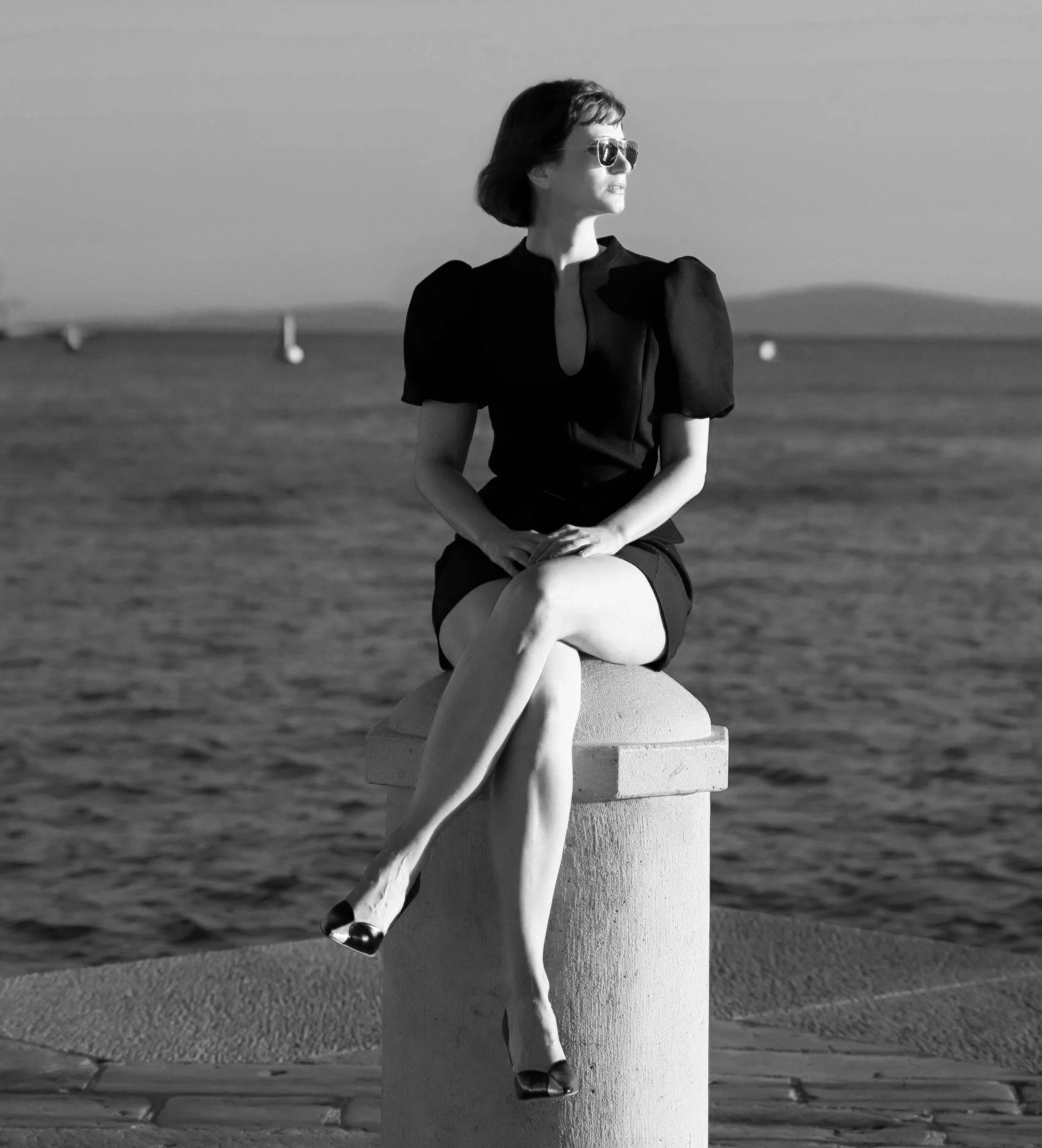
Two sentences I hear constantly, usually from tall women.
"I'm tall, so I don't wear heels."
"My partner doesn't like it when I wear heels and I'm taller than him."
I want to sit with those for a moment. Because what both of them have in common is not height. It is permission-seeking. In the first, from a standard nobody set. In the second, from someone who benefits from the arrangement.
The world has a long and well-documented interest in keeping women physically small. Smaller voices. Smaller gestures. Smaller presence. And we have absorbed this so completely that we police it ourselves, with sentences that sound like practicality and feel, if you examine them closely, like something else.
If you want to wear heels, wear them. Regardless of your height. Regardless of who is in the room. Regardless of who is at home. Do not let them shrink you.
Heels are a tool, not a rule
A woman is much more than her heels. What I am describing is not a prescription. It is a principle.
The principle is this: physical presence is a negotiation variable, and you can choose to manage it intentionally or leave it to chance. Heels are one way of doing that. They are not the only way. They are not the right way for everyone.
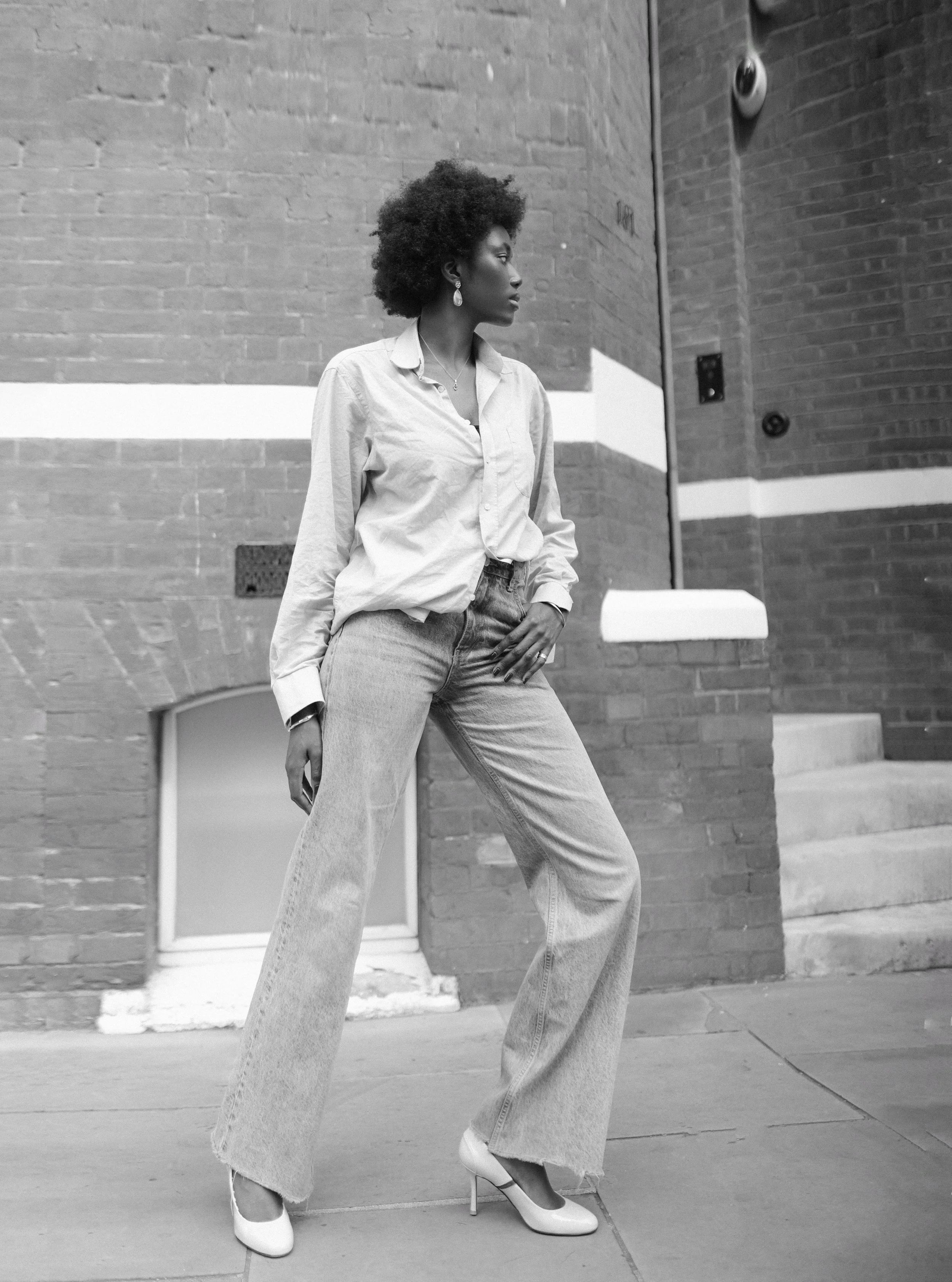
No heels? Straight spine. Shoulders back. Head level, not down, not up. Eyes forward. The body communicates the same message through these choices that it communicates through a heel. The message is: I am here. I belong. I am not asking for your permission to take up this space.
That message is available to every woman, in any shoes, in any room.
What to do with this
Before your next high-stakes conversation, ask yourself one question.
How am I walking in?
Not what are you going to say. Not how have you prepared your argument. How are you arriving. What will the room receive before you open your mouth.
Because your body is already talking. The only question is what it is saying.