The Fear of Loss Is Greater Than the Promise of Success
Stop selling the win.
Find the fear.
That is where the deal lives.
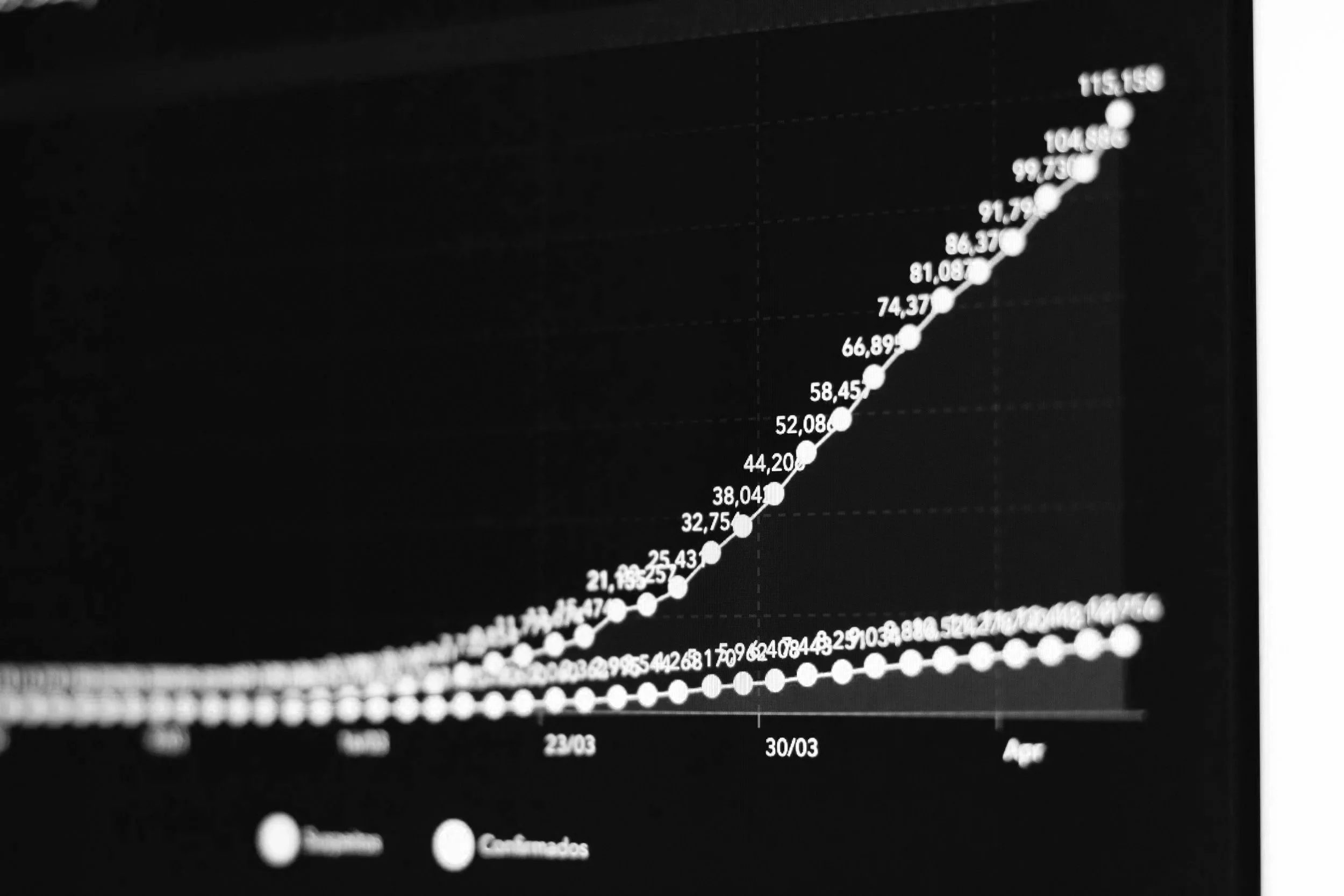
Most pitches, most proposals, most negotiations have the same structure. Here is what I have. Here is why it is good. Here is what you stand to gain.
The other side sits there and thinks about one thing: what could go wrong.
They are not excited by the upside. They are afraid of the loss. And you are talking about the wrong thing.
The mistake
Think of an entrepreneur pitching an investor. So in love with their product that they keep talking about how great it is. The technology, the vision, the market size, the team.
While the investor is running a completely different calculation. Not whether this could succeed. Whether it could fail, and what that failure would cost them.
This is not cynicism. It is how decisions actually get made under conditions of risk. The promise of gain activates interest. The fear of loss activates action. They are not the same mechanism, and they do not produce the same results.
Selling the win gets you considered. Removing the risk gets you the yes.
The skill
The skill is not persuasion. It is reading.
Where does the other side see risk? What pressure are they under that has nothing to do with you? What would they lose if this goes wrong, and what would they lose if they do nothing?
Once you understand that, you stop presenting your solution and start addressing their exposure. You reframe the conversation from what you are offering to what you are protecting them from.
That is a fundamentally different pitch.
The factory
When we were developing Cheetah Stories, we needed a factory willing to work with new vegan materials. Most weren't interested. New materials meant new processes, new investments, unpredictable outcomes. We were a small brand. Risky.
Every conversation I had about how beautiful the product was, how strong the vision was, how significant the market opportunity was, landed in the same place: polite interest and no commitment.
So I stopped selling the product.
The market is shifting. Sustainability is no longer niche. Big brands will eventually demand vegan options from their production partners. The factories that have the know-how when that moment arrives will be the ones that built it early, with brands like ours.
Work with us now and you have the expertise when the large clients come looking for it. Don't work with us, and you are building that expertise for someone else, later, under pressure, when the window is smaller.
The conversation changed completely.
Bad for me. Terrible for you.
A framing I learned from Kirk Kinnell, founder of Negotiated Resolutions.
There is a framing I use when I know the other side is still weighing whether to move.
If we don't do this deal: bad for me. I will find another partner. I will be fine.
But terrible for you. You miss the window. You fall behind. You are not competitive when the market arrives at your door.
This is not a threat. It is a fact, stated plainly, that puts both parties in the same boat and makes the cost of inaction concrete.
The difference between bad and terrible is where the negotiation lives.
The principle
People do not act for gain. They act to avoid loss.
Show them what they stand to gain and they will consider it. Show them what they stand to lose if they don't move, and they will act.
This is not manipulation. It is accuracy. It is understanding what actually drives decisions under conditions of uncertainty and speaking to that directly, rather than speaking to the outcome you want.
Before your next pitch or negotiation, stop and ask yourself one question.
What are they afraid to lose?
Build your argument around that. Everything else is background noise.