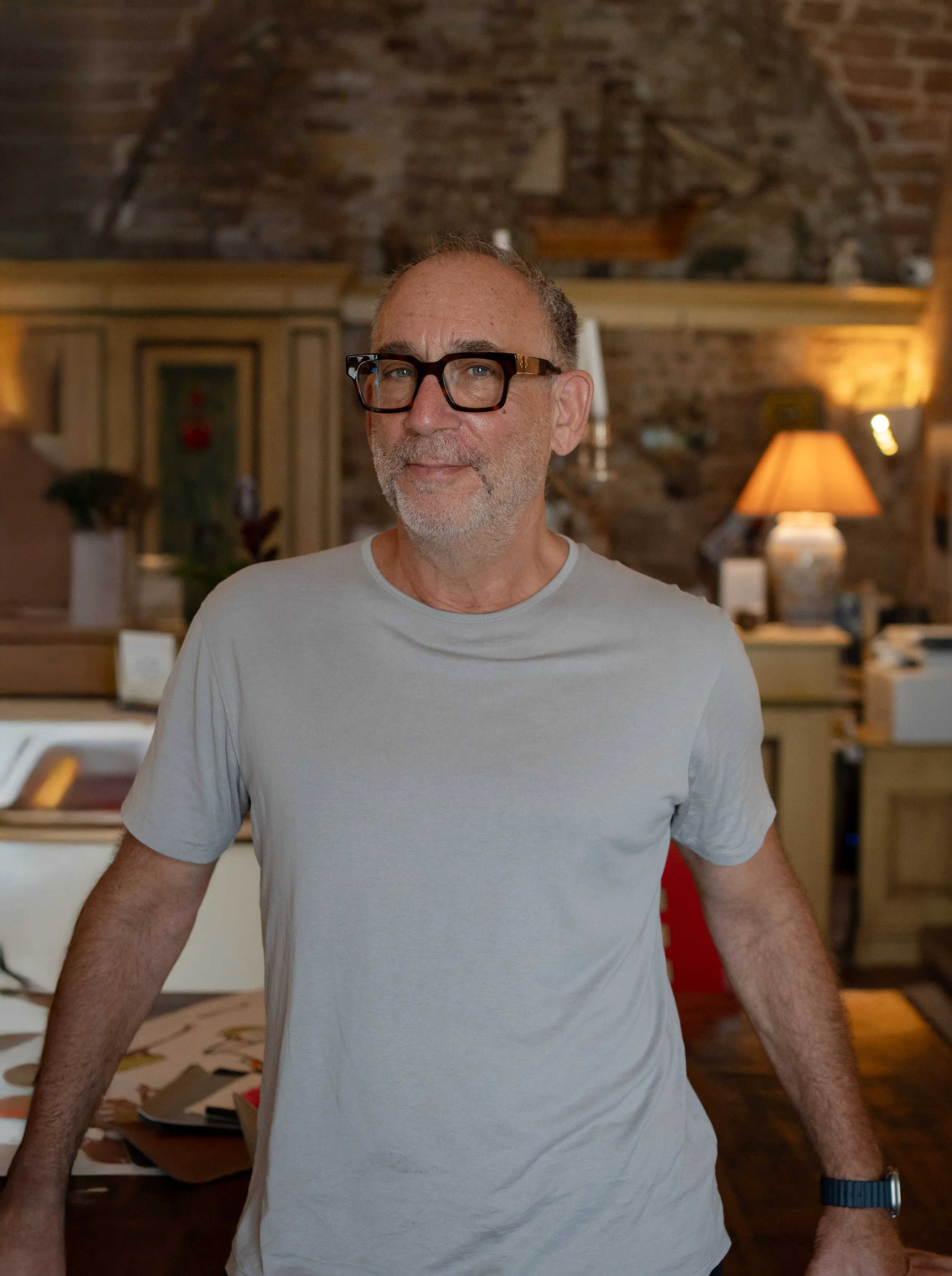
Meet Creative Director Mark Schwartz
Mentored by Roger Vivier and creatively shaped by Andy Warhol, Mark Schwartz has spent decades designing for some of fashion’s most iconic houses and women.
After a lifetime in couture footwear, he joined Cheetah Stories to help shape a different vision of luxury, one rooted in individuality, conscious craftsmanship, and emotional connection rather than trends.
For Mark, a heel is never just footwear. It transforms posture, movement, confidence, and presence. At Cheetah Stories, his sculptural approach brings artistry and intention back to the centre of shoe design.
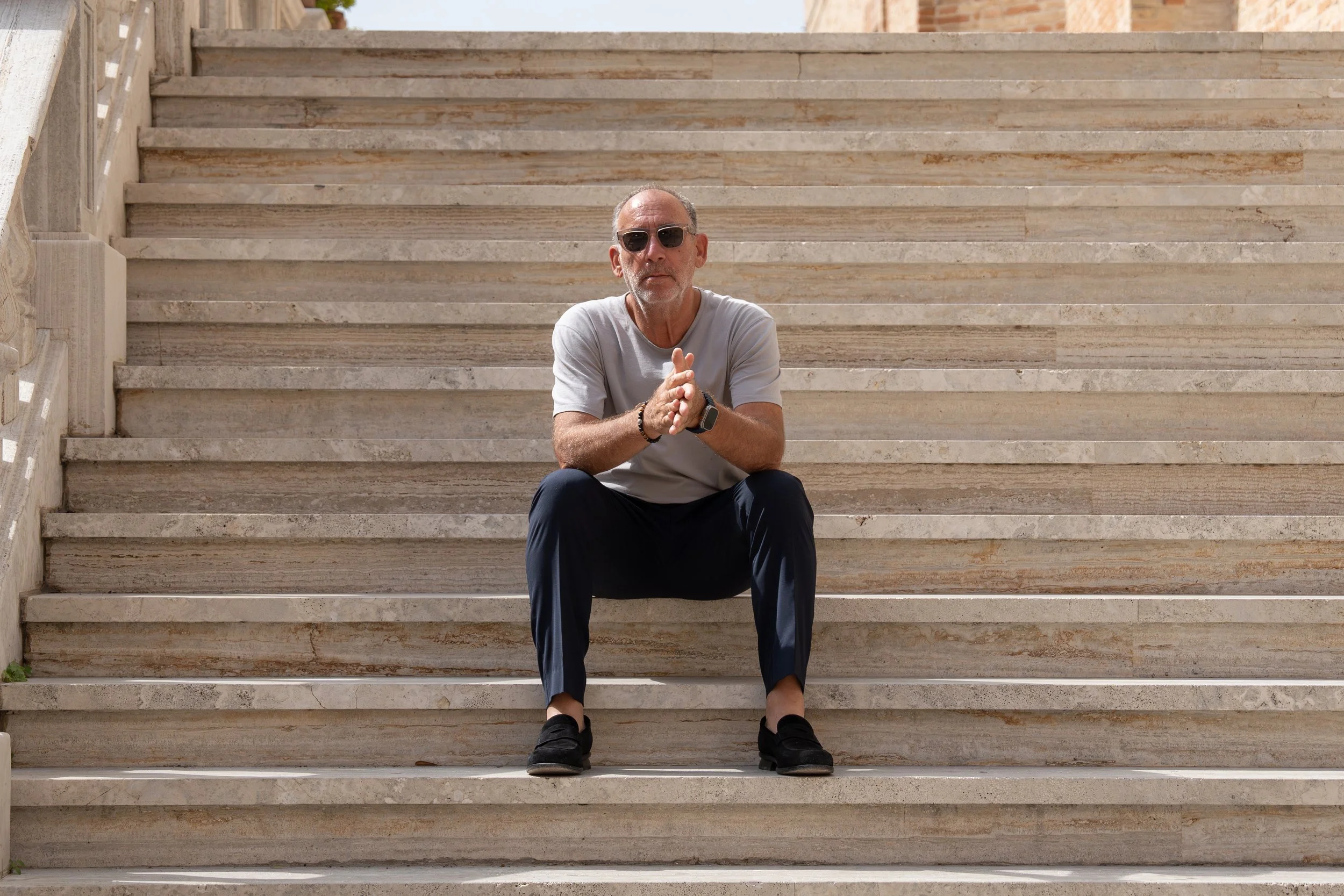
From Vivier to Cheetah Stories: The Art and Soul of Mark Schwartz
When legendary shoe designer Mark Schwartz—protégé of Roger Vivier and mentee of Andy Warhol—joins a new fashion house, it’s never just a partnership. It’s a creative statement. After decades of designing for the world’s most iconic luxury brands, Schwartz is embarking on a new chapter as Creative Director of Cheetah Stories, a bold, ethically driven label that is rewriting the rules of couture footwear.
“I’d been designing for the world’s top fashion houses,” he said. “But I was searching for something that lit that spark again. For my grand finale, I didn’t just want to make fashion—I wanted to make a statement. And the vision behind Cheetah Stories instantly clicked with me.”
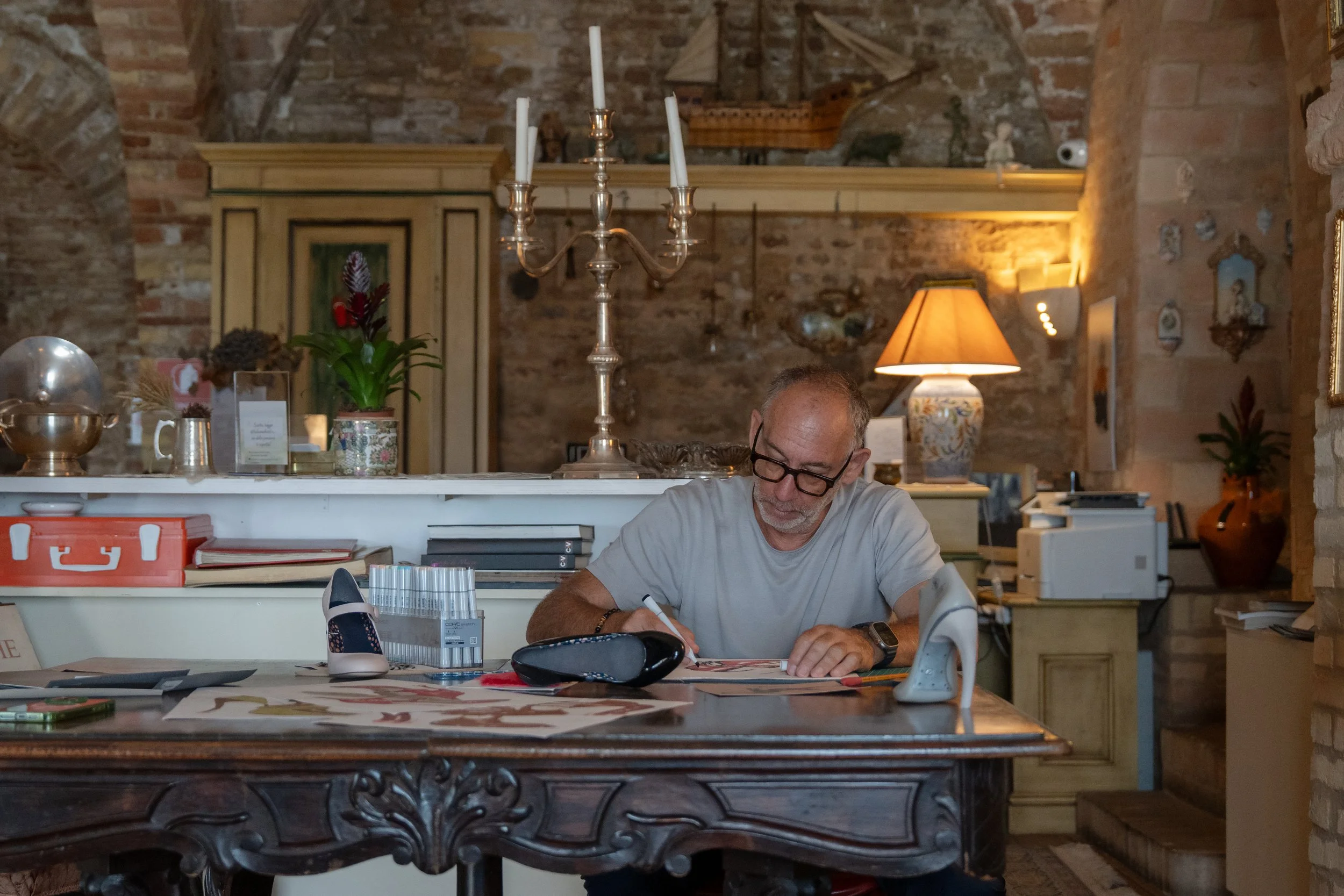
Known for his artistic flair, celebrity clientele, and a talent for storytelling through design, Schwartz brings not just experience, but a philosophy. Despite the fame and fast-paced glamour of Manhattan’s fashion scene, what fuels him most is solitude: a quiet moment, a blank page, a handful of markers, and the freedom to imagine. That sense of focused creativity has found a natural home in Italy’s Marche region—a hidden epicentre of luxury shoe craftsmanship—where this new chapter is taking shape.
In this exclusive interview, Mark Schwartz opens up about his journey from couture to conscious fashion, his inspirations, the evolution of shoe design, and why Cheetah Stories might just be his most meaningful project yet.
How did you get into shoe design?
I actually came into shoe design quite unexpectedly. I met Roger Vivier's partner at a party. At the time, I had no idea who Vivier was—my life didn’t exactly revolve around high heels. I had studied at Juilliard and was drumming in a band. But that introduction changed everything.
The partner introduced me to Vivier, who—somehow—saw potential in me. I am not sure why, but I guess the shoe gods were on my side.
I started working as his assistant and helped open his first shop in Manhattan. Eventually, he began consulting me on the collections, which led me into design and creative direction. It was a deep learning experience. I had a very special bond with Vivier. He insisted on staying at my apartment whenever he was in New York, even though he was used to the luxury of high-end hotels. We’d stay up all night talking about design—those conversations were priceless.
Roger Vivier was your mentor, but you were also inspired by Andy Warhol. How did that happen?
That’s another unexpected story. I had an office above Roger’s shop in Manhattan. One day, the store manager called to say, “Mr Warhole is asking for you.” I had no idea who she meant—I actually asked her, “Who's Mr. Warehole?” I’ll never forget her reply: “You idiot, it’s Andy Warhol!”
By the time I came downstairs, Andy was already halfway up the stairs. We met right there. Roger had sent him to meet and mentor me. From that point on, we spent a lot of time together. Andy was genuinely interested in the work we were doing with Roger. I showed him my sketches, and he even brought in his own ideas. His perspective was wildly different and incredibly inspiring.
You had quite a personal relationship with Andy Warhol. Did he ever share any of his art with you?
Absolutely. Andy was one of those people who was always creating—constantly coming up with new ideas. At the time, he owned Interview Magazine, where he interviewed celebrities, and he’d often bring over stacks of the magazines. Then he’d pull out a permanent marker and start rearranging the covers, doodling, reimagining them into something entirely new.
Over the years, I ended up with about eighteen original pieces of artwork from Andy, plus countless sketches and doodles. I kept them safe—in true fashion—stuffed inside black plastic garbage bags in a cupboard.
And then came Heidi.
Heidi was my housekeeper. One day, I came home, and she proudly told me she had done some deep cleaning and thrown out all the trash. My heart skipped a beat. I asked, “What do you mean, all the trash?” And she said, “You know, all those trash bags you keep in the cupboard? I figured you were just too lazy to clean them out. So I brought them to the incinerator in the basement.”
Yep—good old Heidi had unknowingly destroyed all of Andy’s artwork.
You really witnessed—and were part of—the high times of couture fashion. In your opinion, how has luxury shoe fashion changed over the years?
In a nutshell: it’s gotten boring.
There are many reasons for that. Back then, there were one or two true masterminds behind each collection—designers creating shoes that were more art than footwear. Women didn’t just buy them to wear; they bought them to own something truly unique—an expression of their personality.
Today, technology has made everything more accessible. And with that accessibility, people—both designers and customers—have been trained to follow trends rather than instincts. Design has become reactive instead of visionary.
I remember after I left Roger Vivier, I worked for a high-end American brand. There were about ten of us designers sitting around a table during weekly meetings, all trying to agree on a direction. Design had become a negotiation rather than a creation.
That wasn’t the case in the old days. Our clients waited in anticipation to see what the “maestro” would dream up next. I remember once at Vivier’s store, I was speaking with a client who was particularly eager to get something new. I told her Roger was working on a very exclusive boot—and she immediately set her heart on it.
The truth? The boot didn’t even exist yet. Roger didn’t know it existed either—until I told him we had to make it.
And this is exactly where we want to go with Cheetah Stories. Rather than follow trends, we want to set them—by creating bold, unique pieces that allow our clients to express themselves through fashion. Shoes that make a statement. Shoes that speak for the wearer, that reflect who they are, and who they want to be. This isn’t about seasonal collections or algorithms—it’s about bringing creativity and individuality back to the centre of fashion. That’s what it used to be. That’s what it should be again.
How do you get inspired?
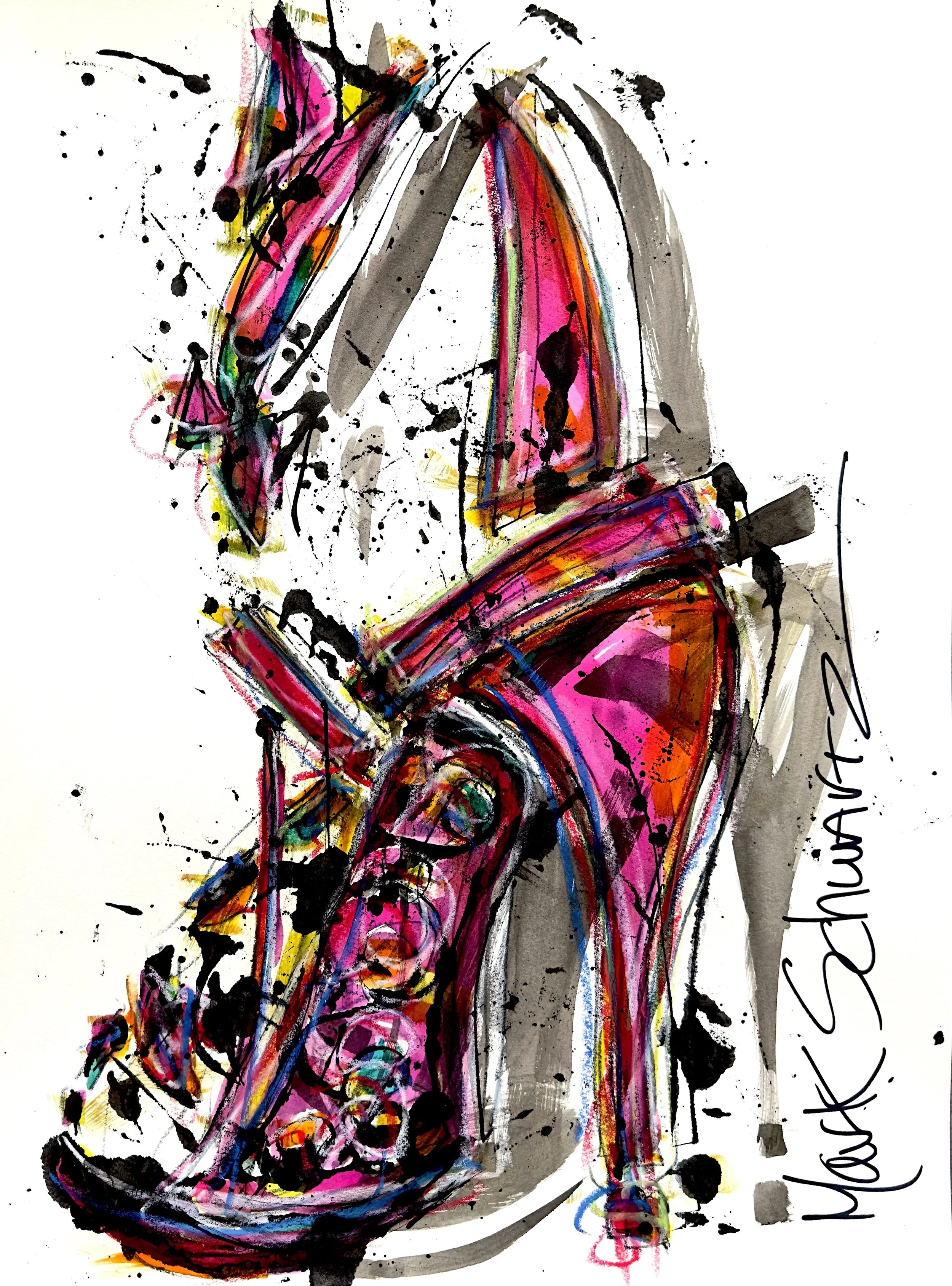
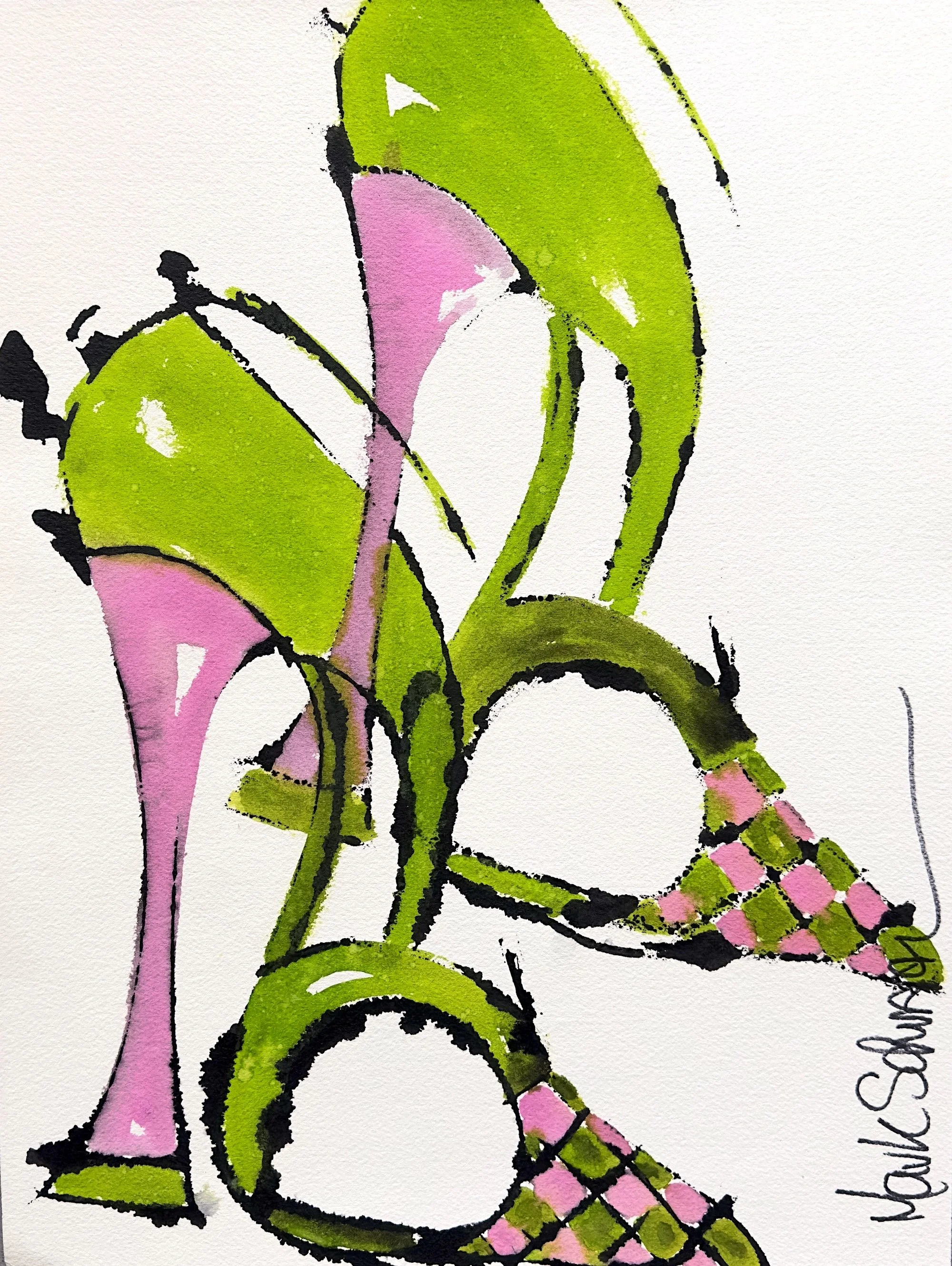
Inspiration is everywhere. I draw shoes every single day—it's not just work, it's a passion. Sometimes it’s a plant, a landscape, a piece of furniture, a fabric, or even a fleeting moment that sparks an idea. I’ll see something and instantly feel the need to sit down and capture it on paper.
But inspiration also depends on the environment you're in. Working for a brand that doesn’t inspire you can feel suffocating—which is why I’ve turned down design mandates in the past. On the other hand, if a company has a real story, a history, a soul, then I find inspiration in its legacy—and in the challenge of carrying that legacy into the future. I love diving into the archives to understand a brand’s true essence. Sadly, most brands today have lost that essence.
From the very first call I had with Fiorella, the founder of Cheetah Stories, I felt something different. I was inspired before I even knew if I’d be joining the team—I was already sketching ideas. Fiorella has a powerful vision for the brand—not just ethically, but emotionally. She knows exactly how she wants women to feel when they wear our shoes: bold, strong, beautiful, elegant, agile, and utterly unique—like a cheetah.
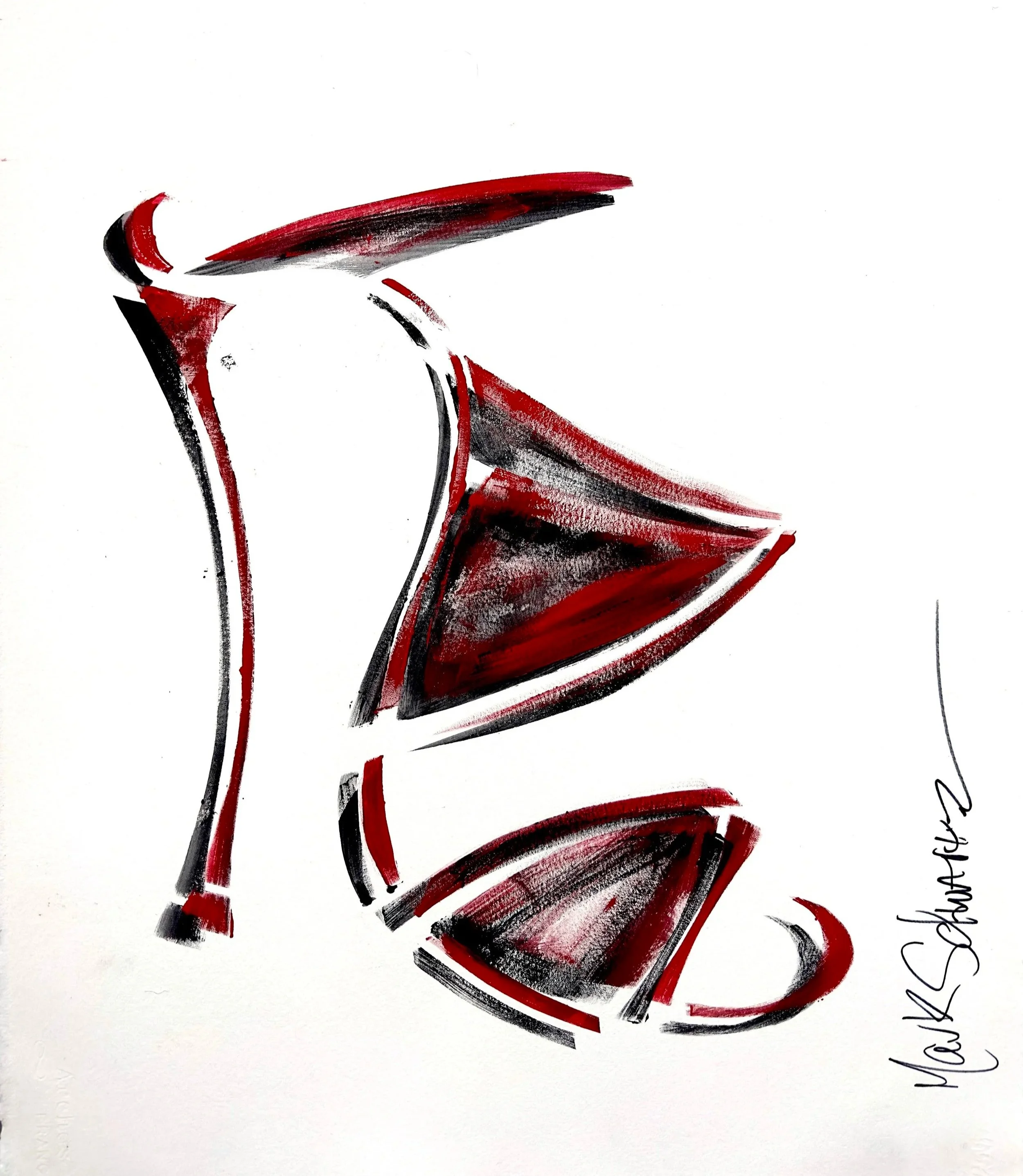
The team she’s brought together is equally inspiring. Everyone comes with a story, a depth of experience, and a real sense of purpose. Cheetah Stories feels like home to me. In just four months, I’ve created 120 sketches—each one a chapter in the story we’re telling. Not just the story of the brand, but the story of every woman who wears our shoes.
How many shoes have you drawn in your life?
Chuckles. Too many. I guess around twenty thousand. Most of them stayed with the clients, of course.
What has been the proudest moment in your career?
There have been a few, but one that stands out was the moment Roger Vivier saw potential in my designs. That was when it truly clicked for me—that I was a shoe designer. It gave me the confidence to trust my vision and pursue this path with everything I had.
Of course, there’s also something magical about seeing your designs on the red carpet, in a magazine, or even in a film. No matter how many times it happens, it never gets old. It’s a surreal moment of recognition—and a reminder of how far you’ve come.
But honestly, one of the things I’m most proud of today is being part of an evolution in luxury fashion—toward conscious, cruelty-free practices. For the first time, I feel like we’re not just designing beautiful shoes, we’re building a new kind of legacy. One that aligns with our values. And being part of that shift, especially with a brand like Cheetah Stories, is something I take real pride in.
Why do you love high heels?
Because they’re the sexiest thing on earth.
High heels do more than elevate a look—they transform the way a woman stands, walks, moves… even how she thinks. There’s a shift in posture, in presence, in attitude. It’s not just about height—it’s about confidence, elegance, power, seduction. Nothing else in fashion has that kind of impact.
And when I design, I always have the woman who will wear the heel in my mind. I’m not just creating a shoe—I’m creating a way for her to be truly herself. To express something bold, personal, and unapologetically real. That’s what high heels can do when they’re made with intention.
Do you ever experience creative block?
Yes—especially when I’m working on a project that doesn’t inspire me. Creative energy needs to be fed, and when the spark isn’t there, it can be hard to force it.
Back when I lived in New York, I’d deal with it by going out with friends—letting the city, the conversations, the chaos, refill my creative tank. In Italy, I take a different approach: I eat. A good meal, a glass of wine, and suddenly the ideas start flowing again. Sometimes, you just need to step away to come back stronger.
What do you see as the future of shoe design?
Honestly, there’s a red flag going off in my mind right now. It feels like the industry is heading toward generic, middle-of-the-road products—shoes that lack personality and originality.
That said, there are new designers emerging with fresh ideas and bold directions. These voices bring personality back into the conversation, and that’s essential.
Right now, we seem to be going through an “ugly” phase in shoe design. I believe this happens when no one really knows what to do next, so they create things that don’t resonate aesthetically. It’s a kind of creative vacuum.
But I’m optimistic. I think this phase will pass, and what comes next will be a revival—where designers take risks again, embrace individuality, and bring back true artistry to shoe design.
Why are you and your designs different?
When you have a real passion for design, part of it is a gift—something innate.
For me, it’s this frivolous, witty way of designing that just flows naturally. It’s not something I consciously force—it just happens. That spark, that unique voice, is what sets me apart.
I don’t read trend reports, I don’t follow what other designers do, I design detached from TikTok and Instagram.
This is the first time you're designing a fully vegan collection with a strong focus on ethical and sustainable materials. What inspired you to make this shift?
Sustainability in fashion is no longer optional—it’s essential. We’re slowly but surely destroying the planet, and I’ve felt the difference in the world since I was a child. We all need to point in a new direction—one that leads to real, lasting sustainability.
I grew up with a vegan father, and I’ve been vegetarian and vegan myself for many years. Today, I embrace a conscious flexitarian lifestyle. With the rapid evolution of high-quality leather alternatives, I see no reason to continue relying on animal leather or exotic skins. These materials are not only cruel to animals, but they also often exploit workers and contribute massively to pollution and global health issues.
For me, this is an opportunity to make a real statement in couture shoemaking—to prove that there is another way. A way that doesn’t compromise on quality, and certainly not on style. What we’ve created with this new collection is unlike anything you’ve seen before.
How do you hope the woman wearing shoes from this collection will feel?
I hope she feels proud.
Every step she takes in these shoes makes a small difference—not just in how she carries herself, but in the impact she’s making. She’s choosing style with substance, beauty with intention. She’s part of a story that’s redefining what luxury can mean: conscious, ethical, and deeply personal.
If you could choose one person to wear these heels, who would it be?
Pamela Anderson.
She was one of the first celebrities to take a bold stand against animal cruelty in fashion. Her appearances in PETA’s iconic “I’d rather go naked than wear fur” campaign were legendary. That kind of fearless activism aligns perfectly with the mission of Cheetah Stories. You can’t be subtle if you want real change.
But beyond that, I deeply admire her transformation. She’s become someone who radiates depth and authenticity—grounded, intentional, and conscious of how she moves through the world.
The way she’s embraced her natural self, toned down the makeup, and redefined her image in her 50s is incredibly powerful. There’s a quiet strength in how she presents herself today, and that resonates with everything this collection stands for: authenticity, elegance, and substance.
That said, I know you asked for one—but honestly, our shoes are for anyone who loves high heels that fit their personality, their mood, and their moment. Whether it's bold or understated, playful or fierce, Cheetah Stories celebrates the wearer's individuality.
About Mark Schwartz
Mentored by the legendary Roger Vivier and creatively influenced by the iconic Andy Warhol, Mark Schwartz has become one of the most respected names in both women’s and men’s shoe design. He served as Vivier’s creative director for over a decade, shaping collections that helped define modern couture footwear.
Schwartz’s designs have graced the runways of Paris, Milan, and New York, and have appeared in top fashion publications including Vogue, Elle, and W Magazine. Over the years, he has designed for some of the world's most prestigious fashion houses, including Ralph Lauren, Balenciaga, Gucci, Jean Claude Jitrois, Charles Jourdan, Chanel, and Hermès.
Known for his artistic approach to shoemaking, Mark has also created bespoke footwear for an impressive roster of celebrities and public figures—among them Jackie Kennedy Onassis, Madonna, Oprah Winfrey, Sharon Stone, Julia Roberts, Lady Gaga, Katy Perry, Jennifer Lopez, and Hillary Clinton.
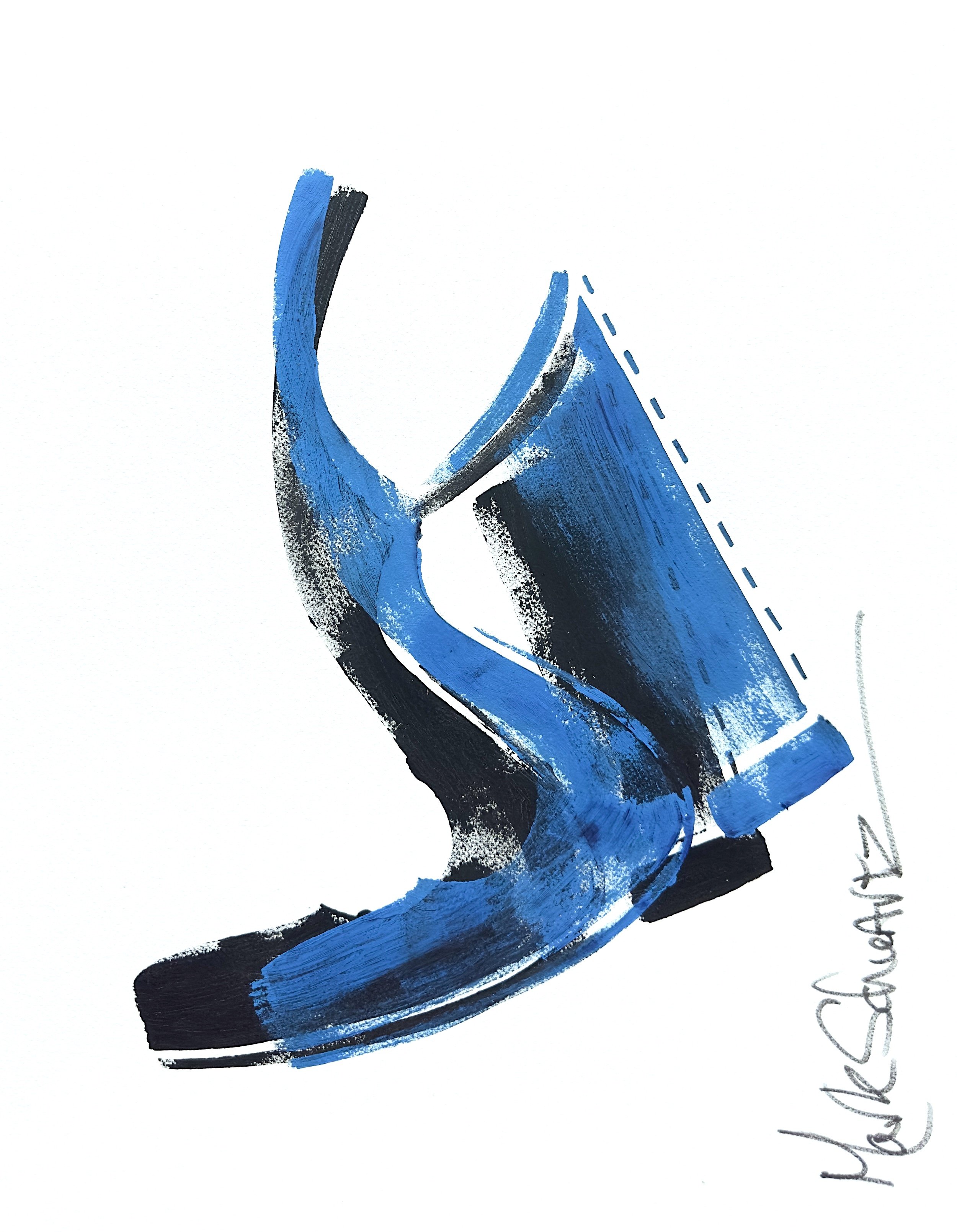
Beyond design, Schwartz is also renowned for his shoe-inspired artwork and sketches, many of which have been featured in galleries and adapted into fashion items such as scarves and bags. He has collaborated with leading Italian factories such as Cleo Bottier and the Roveda Group, bringing his vision to life through the highest level of craftsmanship.
Mark Schwartz continues to challenge conventions and push boundaries in footwear design, blending artistry, elegance, and innovation with every step.